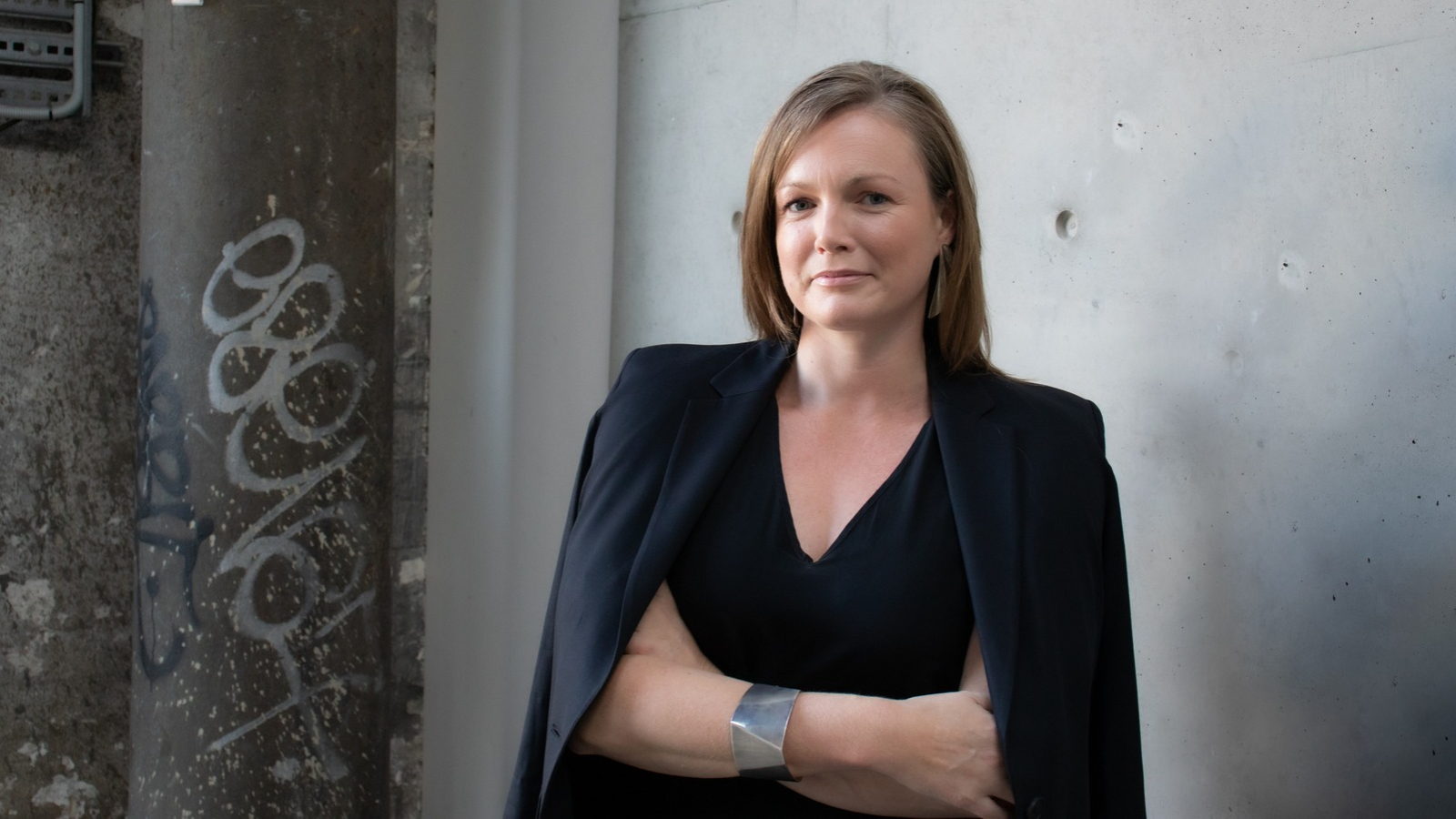
Sarah Hetherington (2001) is an independent art advisor supporting private, corporate and government clients to navigate the global art market, build meaningful art collections and deliver significant art projects. Sarah is an Australian Government Approved Valuer for the Cultural Gifts Program and moonlights as the Editor-at-Large forHabitus Living and Indesignmagazines.
With over two decades’ experience in the art world – most recently as Director, Galleries at Sydney Contemporary, Australasia’s premier art fair, and at the Biennale of Sydney prior – Sarah has established an extensive network of Aboriginal and Torres Strait Islander artists, Australian and international artists and galleries across the Asia-Pacific region.
Sarah was a Board Director of the inaugural Art Month Sydney (2009), is a member of the Art Consulting Association of Australia and International Art Critics Association (AICA), and a Contemporary Collection Benefactor at the Art Gallery of New South Wales. She holds a Bachelor of Art Theory (Hons) and Master of Arts Administration from UNSW.
You’ve built an impressive career across so many aspects of the art world. What first sparked your passion for contemporary art, and how did you turn that interest into a career?
My parents took me to the Art Gallery of New South Wales and the National Gallery of Australia from a very young age, and seeing works by Monet, Cezanne, Matisse and Picasso opened a whole new world. At Ascham, in Senior School, art was always the first homework I finished. My practical skills were limited, but I knew I loved looking at art and writing about it, and it was Mr Morabito who encouraged me to go to the then-titled College of Fine Arts (COFA) at UNSW. My parents’ advice was to ‘study what you love and then make a career out of it’, so I did, even after the Associate Dean told us on our third day of the degree that there were no real career paths. Challenge accepted!
On holiday in Cornwall, a friend’s father, James Erskine, offered me a casual job at the commercial art gallery he was about to open in late 2003. Liverpool Street Gallery became ten years of working with Australian and international artists, collectors and museum institutions – sales, artist management, art fair participation and publishing. I learnt a great deal, however one lesson from those years has always stayed with me; never make assumptions about someone by their appearance when they walk into a gallery and treat everyone equally, because your best collector is often the one in shorts!
Much of your work involves championing artists and helping others discover and appreciate their work. What does making your mark mean when your role is often about helping others make theirs?
Behind every artwork is an artist with a livelihood; although I’ve always been on the business-side, helping champion artists (or their galleries) to continue their practice and share their work is fulfilling and truly meaningful. So too is the impact art can have on society and culture; it is a reflection of our time.
One of the great privileges of my career has been deepening my understanding of Indigenous art: learning from artists and communities about storytelling and Country, and helping clients collect ethically and with respect.
I’ve also learnt that if you don’t ask, you don’t receive. I once pitched a wildly ambitious and conceptual Finnish art project to the one Finnish person I knew in Sydney. The gentleman said yes, and his generous support meant the project could go ahead. Despite this profile, I am not one for the limelight. The mark I like to make is quiet, behind the scenes, so an artist’s vision can be realised. I now work across residential, workplace and public environments with a range of private, corporate and government clients.
Some of the most memorable moments of my life have been art experiences – driving through the Texan desert to visit Donald Judd’s museum Chinati; lying on the floor of the Teshima Art Museum an island in the Sea of Japan, and seeing retrospectives in Australia by Balang John Marwundjul and Emily Kame Kngwarreye. My hope is that others have the fortune to experience these transformational, inspiring moments as well.
Your career sits at the intersection of creativity, commerce and culture. What have you learned about building a successful career in a creative industry?
My advisory practice did not happen overnight. It formed organically after two decades of developing specialist knowledge, business development skills, networks and relationship building. It has been a huge leap of faith, hard work however very rewarding.
Liverpool Street Gallery was a subsidiary of Sports & Entertainment Limited, and by osmosis I received an early education in business, sales, deal-making and client management beyond the art world. Ascham taught me resilience and perseverance, and the support of generous mentors in business and trusted colleagues in the art and architecture worlds have helped open doors.
Above all, my integrity and professional reputation matter most to me, as do discretion and confidentiality for every client. Buying art can feel daunting, so I try to demystify it and make it an educational and stimulating experience. There’s nothing I love more than the thrill of a sale or doing a deal for an artist or a client.
Whilst art is a vital part of society and culture, I try not to take things too seriously and think if I had chosen another career path, I would certainly not have laughed as much as I have.
Annabel Millet (Clark 2000)
Image: Sarah Hetherington (2001)