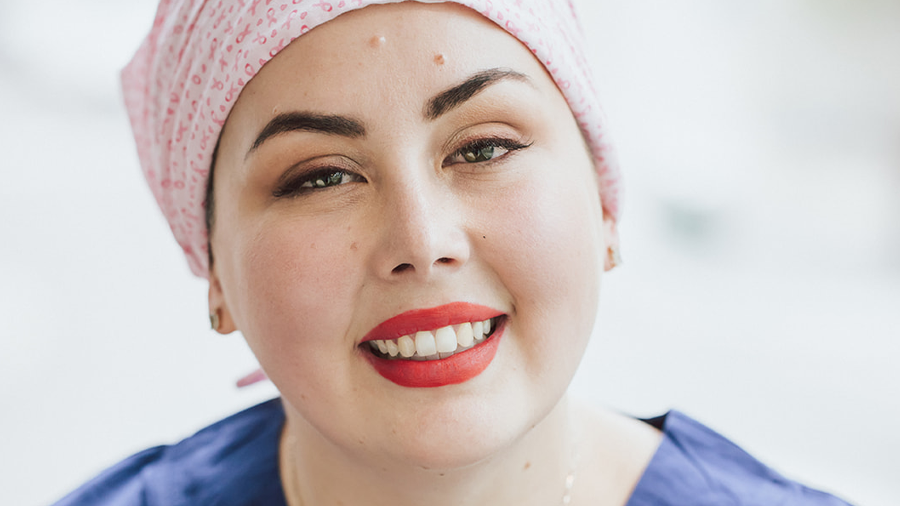
Dr Susannah Graham (2000) is a specialist general surgeon with subspecialty training in breast and endocrine surgery, and oncoplastic techniques in treatment. Susannah recently led successful breast cancer treatment for the Deputy Premier Prue Car which she was applauded by the Deputy Premier in the national press. Dr Graham holds VMO appointments at Chris O’Brien Lifehouse, St George Private Hospital, Kareena Private Hospital and Kingsway Day Surgery. She is also a full member of Breast Surgeons of Australia and New Zealand, the specialty society for surgeons treating breast cancer.
Hi Susannah, first things first – did you always know you wanted to work as a surgeon?
I was one of those kids who always knew. I’ve been told I was “operating” on my teddy bears at about 3 years old, and from very early on I was drawn to medicine and surgery. What evolved over time was not the desire to be a surgeon, but what kind of surgeon I wanted to be.
During my early training, I realised I was most fulfilled when I could combine technical precision with meaningful, long-term patient relationships. Breast surgery offered that unique combination, oncology, reconstructive surgery, and the ability to support women through a deeply personal experience. That combination of science, technical skill and human connection is what ultimately defined my path.
What have been the biggest challenges of training in your speciality?
Surgical training is demanding, surgery requires resilience: long hours, high expectations, and the need to consistently perform under pressure. One of the most important lessons I learned early on was to find joy in the day-to-day work, not just the milestones. That mindset is essential for sustaining a long surgical career.
Breast surgery brings an additional layer of emotional complexity. You are not only managing cancer, but also identity, body image, and survivorship. Learning to navigate those conversations, whilst also developing and maintaining technical expertise is another challenge.
How have you handled training and working in a male-dominated field?
Surgery has traditionally been male-dominated, and while that is changing, there are still environments where female representation is limited. I’ve approached this by focusing on excellence and authenticity rather than trying to fit a particular mold.
I genuinely believe being a woman in surgery is a strength. We bring a different communication style, a collaborative approach, and often a deeper understanding of the patient experience. At the same time, it’s important to acknowledge that there are still systemic challenges, which highlight the importance of visibility and advocacy for the next generation.
You’re passionate about mentoring the next generation of female surgeons. Have you had mentors or sponsors, and how have they impacted your journey?
Absolutely, mentorship has been critical to my career. Throughout training, I had senior surgeons who not only taught me technical skills but also modelled professionalism, decision-making, and how to build a meaningful career.
Importantly, I’ve also had mentors who encouraged me to think about what fulfilling work looks like, not just what is prestigious or expected. That advice shaped my decision to pursue breast surgery and has stayed with me throughout my career.
Now, through my involvement with the University of Sydney and more broadly, I see mentorship as a responsibility. Representation matters. When young women see female surgeons thriving, balancing complex careers, leadership roles, and personal lives, it expands what they believe is possible.
Annabel Millet (Clark 2000)
Image: Dr Susannah Graham (2000)